
What Is a BESS?
Here’s the question every business owner in Ukraine is asking: “How do I keep my business running when the grid is down for 16 hours?”
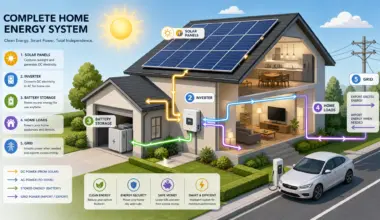
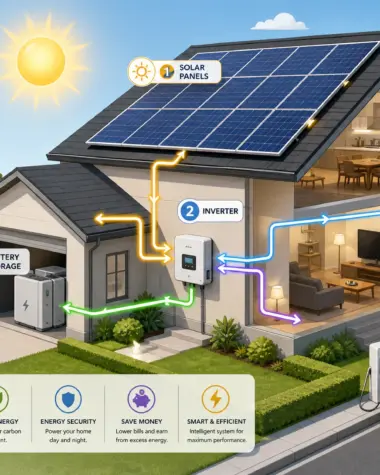
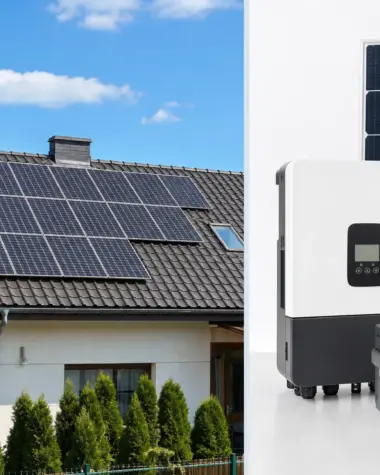
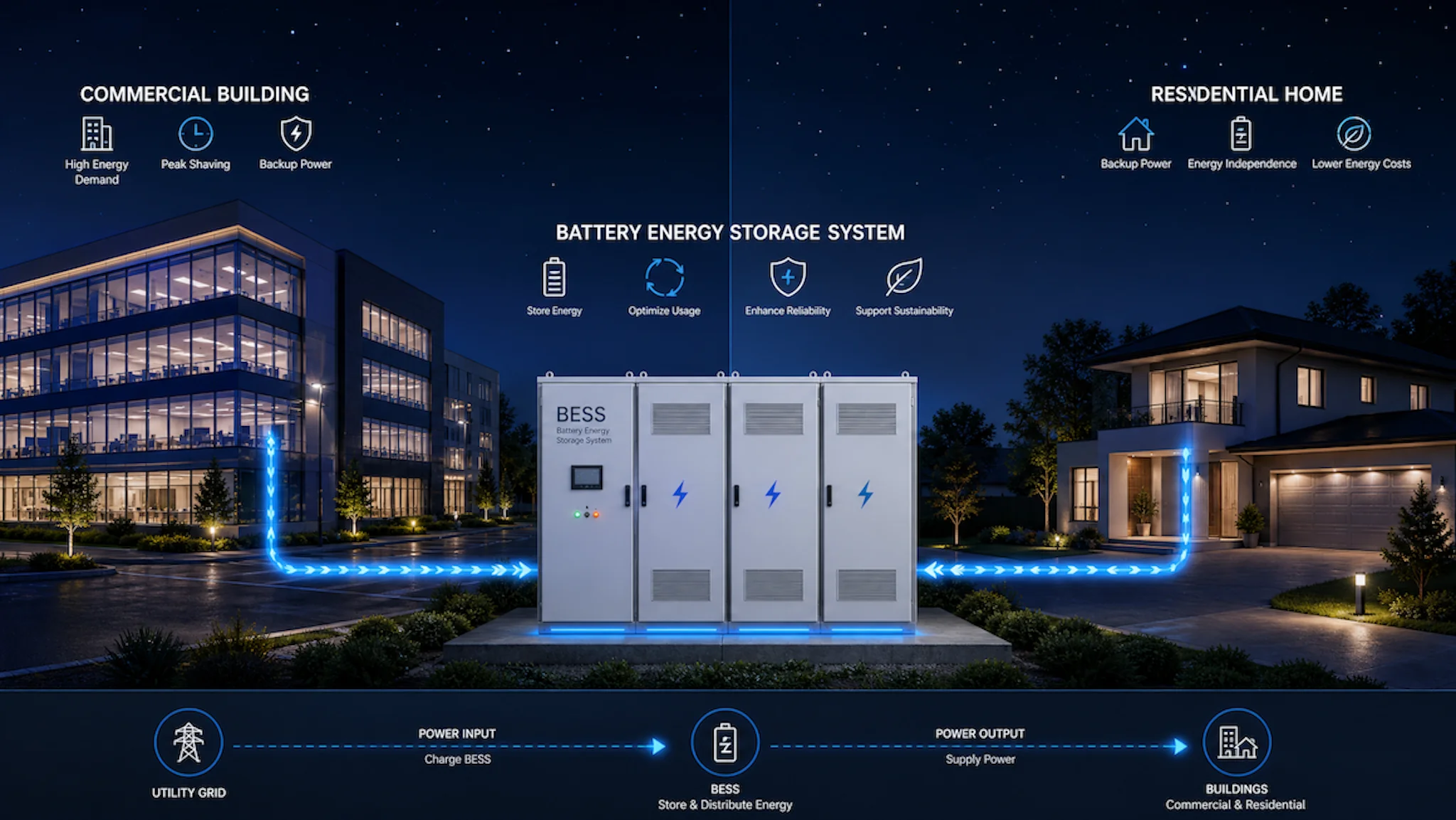
The answer is a BESS — Battery Energy Storage System. It’s not a UPS, not a generator, and not “just a battery.” It’s a complete system that powers your business, automatically, every time the grid goes down.
This guide covers BESS for small business owners — what to buy, how much it costs, and why it pays for itself.
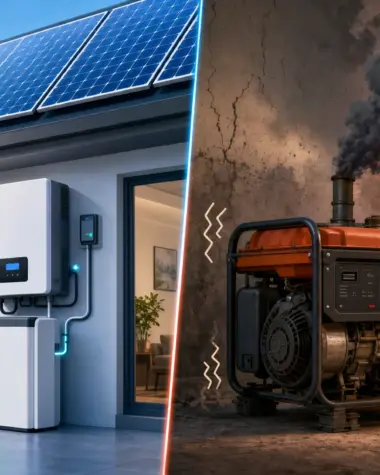
BESS vs Generator: The Real Cost Comparison
Let’s start with the comparison that matters most for a business:
| Factor | BESS (10 kWh LiFePO4) | Diesel Generator (5 kW) |
|---|---|---|
| Upfront cost | ~€2,000–3,000 (battery only) | ~€800–1,500 |
| Fuel cost per 16h day | €0.50–1.50 (grid charging) | €40–80 (diesel) |
| Fuel cost per year (250 blackout days) | €125–375 | €10,000–20,000 |
| Cost over 5 years | €3,000–5,000 | €50,000–100,000 |
| Noise | Silent | 65–85 dB (complaints) |
| Maintenance | None | Oil changes, filters, storage |
| Startup | Instant (< 20ms) | 10–30 seconds (then warm up) |
| Auto-restart | Yes | Manual or expensive ATS |
| Indoor safe | ✅ Yes | ❌ CO poisoning risk |
The numbers don’t lie: Over 5 years of daily blackouts, a BESS is 10–20x cheaper than running a generator. And that’s before factoring in diesel shortages, queues at gas stations, and the middle-of-the-night refueling runs.
“I spent €12,000 on diesel in 2024. In 2025, I spent €3,500 on a battery. Best decision I ever made.” — Small shop owner, Kharkiv region
What a BESS Actually Does for Your Business
A BESS doesn’t just “store power.” It:
- Detects the blackout automatically (within 20 milliseconds)
- Disconnects from the grid (safety requirement)
- Powers your business from the battery
- Recharges from the grid when it comes back (or from solar during the day)
- Manages everything — you do nothing
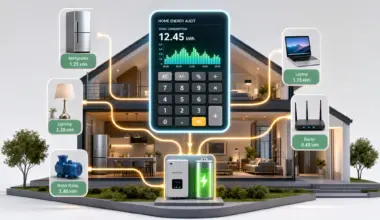
All your critical loads keep running:
- Refrigerators and freezers (no spoiled inventory)
- Water pumps (no burst pipes, no closed business)
- Lights (customers can see, staff can work)
- Internet and POS terminals (sales keep happening)
- Security systems (no break-ins during blackouts)
Sizing a BESS for Your Business
Minimum Viable System
This keeps the essentials running for 8–10 hours:
| Component | Recommended | Price |
|---|---|---|
| Inverter | Deye 5 kW hybrid | €900 |
| Battery | GSL Energy 5 kWh LiFePO4 | €700 |
| Everything else | Cables, breakers, installation | €400 |
| Total | €2,000 |
What it runs: 1 fridge, lights for 1 room, internet, phone charging.
Recommended System (Small Business)
This runs a typical small business for 16+ hours:
| Component | Recommended | Price |
|---|---|---|
| Inverter | Deye 8 kW hybrid | €1,200 |
| Battery | GSL Energy 15 kWh LiFePO4 (stackable, expandable) | €2,100 |
| Solar (optional, added later) | 5 kW (10 × 500W panels) | €1,500 |
| Installation + accessories | Cables, ATS, breakers, labor | €500–1,000 |
| Without solar | ~€4,000 | |
| With solar | ~€5,500 |
What it runs: Multiple fridges/freezers, full lighting, water pump, POS, internet, security.
Commercial System (Large Business / Apartment Building)
| Component | Recommended | Price |
|---|---|---|
| Inverter | 2–3× Deye 8 kW in parallel (3-phase) | €2,400–3,600 |
| Battery | GSL Energy 30 kWh rack-mount | €4,200 |
| Solar | 10 kW (20 × 500W) | €3,000 |
| Installation | Professional, including panel upgrade | €1,500–3,000 |
| Total (with solar) | ~€11,000–14,000 |
What it runs: Elevator, water pumps, common lighting, security, plus backup for several apartments.
BESS vs Solar-Only: Which First?
Common question: “Should I buy solar panels first, or the battery?”
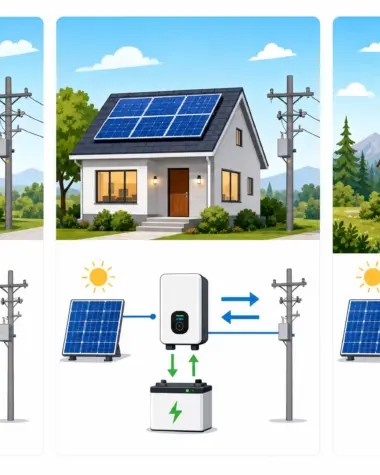
In Ukraine, the answer is clear: battery first, solar later.
Here’s why:
| Battery-Only | Solar-Only | Solar + Battery | |
|---|---|---|---|
| Works during blackout? | ✅ Yes | ❌ No (grid-tie inverter shuts down) | ✅ Yes |
| Cost | €2,000–4,000 | €2,000–4,000 | €4,000–8,000 |
| Saves on electricity? | ✅ (charges from cheap grid) | ✅ | ✅✅ (best savings) |
| Recommended? | ✅ First purchase | ❌ Useless without battery | ✅ End goal |
The right strategy:
- Phase 1: Buy inverter + battery (€3,000–4,000). Survive blackouts.
- Phase 2: Add solar panels (€1,500–3,000). Recharge battery from the sun. Cut electricity bills.
- Phase 3 (optional): Add more battery capacity (€700–2,000 per 5–10 kWh). Go fully off-grid.
Installing a BESS: What to Expect
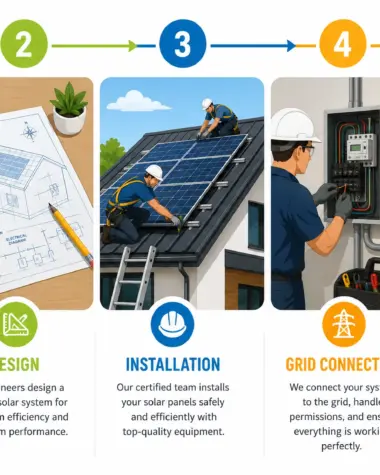
Day 1 — Electrical Setup
- Mount the inverter and battery (wall or floor)
- Connect to your main electrical panel
- Install critical loads sub-panel (loads that run during blackout)
- Configure inverter settings
After Installation
- Test: manually cut grid power, verify the system switches over
- Set up the monitoring app on the owner’s phone
- Brief the owner on how it works (very little to learn)
What the Owner Experiences
- Normal day: The BESS charges from the grid. You don’t notice it.
- Blackout: No change. Lights stay on. Business continues.
- Grid returns: Battery starts recharging automatically.
Maintenance (Almost None)
LiFePO4 BESS requires virtually no maintenance:
| Task | Frequency |
|---|---|
| Check the monitoring app | Weekly (30 seconds) |
| Dust the inverter vents | Every 6 months |
| Check battery connections are tight | Every year |
| Update firmware (if needed) | As notified |
That’s it. No oil changes. No fuel to store. No spark plugs. No carbon monoxide detectors.
Business Case: Real Numbers
Example: Small Grocery Store, Kyiv
Current situation:
- 16h daily blackouts
- 3 refrigerators, 1 freezer, lights, POS
- Previously running generator: €60/day in diesel = ~€15,000/year
BESS investment:
- Deye 8kW + GSL 15 kWh: €3,300
- Installation: ~€800
- Total: ~€4,100
After BESS:
- Charging from grid (when available): ~€1/day = ~€250/year
- Savings: ~€14,750/year
- Payback: 3.3 months
Even without solar panels, the system pays for itself in 3–4 months.
Bottom Line for Business Owners
| If you… | Then… |
|---|---|
| Own a small shop / café / office in Ukraine | Buy a Deye 8kW + GSL 15kWh BESS. ~€4,000. Pays for itself in months. |
| Own a business in Poland | Buy a Growatt + GSL 10kWh BESS. ~€3,000. Available subsidies cover 50%+. |
| Already have a generator | Keep the generator for multi-day outages. Add a BESS for daily blackouts (silent, cheap, automatic). |
| Have solar panels without battery | Add a battery. Without it, your panels are useless during blackouts. |
A BESS is not an expense. It’s an investment that pays for itself — usually in less than 6 months if you’re running a generator today.
📌 Next: Complete Solar Installation Guide — From Quote to Operation
📌 Back to: LiFePO4 Buyer’s Guide